Business leaders today are navigating a workplace that has changed dramatically over just a few years. Markets shift more quickly, customer expectations rise, and technology evolves at an accelerating pace. In this environment, relying solely on full-time hiring can hinder an organization’s ability to respond swiftly to new opportunities or unexpected challenges.
A well-managed contingent workforce backed by proven Managed Service Provider (MSP) and services-procurement models can be a strategic advantage, inspiring confidence in your workforce management approach.
At Guidant Solutions, we witness this shift daily across industries, with companies successfully leveraging MSP and services procurement models to access talent quickly without being constrained by traditional hiring timelines or internal bandwidth limitations. For example, a recent client reduced onboarding time by 30% and improved compliance metrics after adopting our managed services, illustrating how strategic workforce management can become a competitive advantage.
Why Flexibility Matters More Than Ever
The workforce ecosystem has evolved in three significant ways:
- Talent Expectations Have Changed: Highly skilled professionals now favor project-based work, contract arrangements, or portfolio careers, seeking flexibility, autonomy, and variety.
- Business Cycles Are Unpredictable: Demand spikes, short-term initiatives, rapid product releases, and seasonal patterns necessitate staffing agility.
- Skills Requirements Are More Specialized: Emerging technologies and niche capabilities often fall outside traditional roles, making full-time hires unnecessary or difficult to justify.
In this landscape, contingent staffing is no longer merely a fallback option; it is an intentional strategy.
When a Contingent Workforce Makes Strategic Sense
While full-time hiring remains vital for core roles, there are clear scenarios in which contingent talent provides better value and speed:
- Variable or Seasonal Demand: Organizations experiencing workload peaks, whether quarterly, seasonally, or tied to major customer projects, benefit from skilled contractors who can ramp up quickly and step back once the demand stabilizes.
- Specialized Expertise Needed for a Fixed Timeframe: Some skills are critical but not required daily. Examples include cloud migration, data analytics projects, compliance initiatives, or product redesigns. Contingent talent fills these gaps without incurring long-term overhead.
- Tight Timelines or Urgent Hiring Needs: Contract workers enable teams to bring in talent more quickly than traditional recruitment processes allow, especially when internal teams are at capacity.
- Testing New Roles Before Committing: A contingent arrangement allows organizations to assess the role in real-world conditions, enabling them to convert it into a permanent position if it proves essential.
- Managing Costs and Reducing Risk: Contingent staffing offers budget flexibility and protects organizations from long-term commitments during uncertain economic times.
These scenarios often indicate that a flexible workforce model is not merely a tactical fix but a strategic move.
While MSP models and services procurement offer many benefits, organizations should be aware of potential challenges such as integration complexity and change management. Addressing these proactively ensures a smoother transition and maximizes the strategic value of a flexible workforce strategy.
A Managed Service Provider (MSP) model helps organizations bring structure, visibility, and control to their contingent labor programs, giving leaders reassurance that they are partnering with experts to optimize workforce strategies.
The Benefits of an MSP approach include:
- A Streamlined Supplier Network: Centralizing vendor management ensures consistent quality and pricing.
- Visibility into Spend and Performance: Real-time data offers leaders a clear view of workforce trends, cost drivers, and supplier performance.
- Improved Compliance and Risk Mitigation: An MSP model minimizes exposure to compliance gaps across worker classification and contract oversight.
- Scalable Hiring Support: Whether a company needs five contractors or five hundred, an MSP provides the infrastructure to adjust quickly.
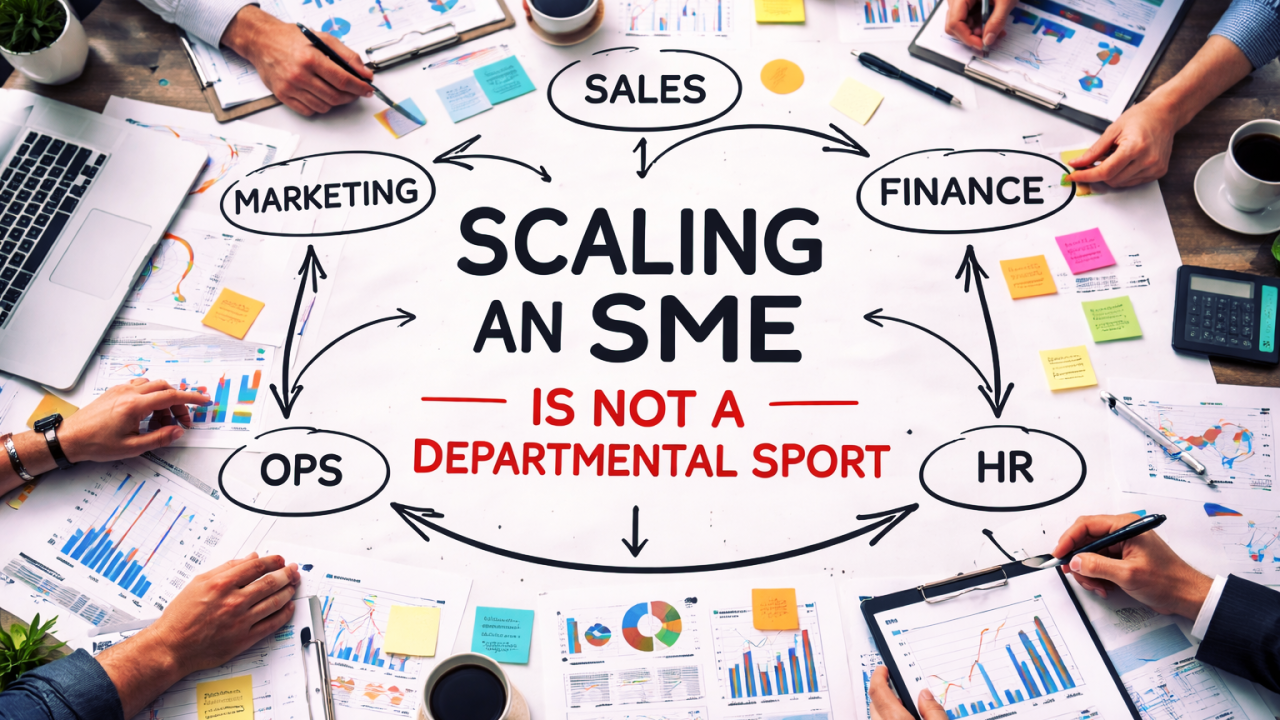
In summary, MSP programs bring order and strategy to a function that often becomes chaotic when managed independently by different departments.
How Services-Procurement Supports Project-Based Needs
Not every requirement involves adding staff. Many organizations focus on outcomes rather than headcount. Here, services procurement becomes a strategic tool.
For project-based work such as system upgrades, creative campaigns, engineering deliverables, or consulting services, services-procurement provides a structured way to engage specialized partners with defined deliverables, timelines, and pricing.
With the right framework, organizations gain:
- Confidence that projects are scoped correctly
- Clear accountability for deliverables
- Predictable cost management
- The ability to quickly bring in niche expertise
Services procurement ensures that project-based work is executed with the same discipline and transparency used for managing contingent staff.
Benefits of a Well-Managed Contingent Workforce
Organizations that adopt flexible talent models usually see improvements in four key areas:
- Cost Efficiency: Pay only for the skills you need, when you need them. This approach keeps budgets lean without sacrificing quality.
- Scalability Teams: can easily expand or contract to align with business cycles and project demands.
- Access to Specialized Skills: Contract professionals often bring technical or niche expertise that is difficult to find in traditional hiring pools.
- Reduced Hiring Risk: Short-term engagements allow companies to avoid long-term commitments during uncertain market conditions.
- A thoughtfully designed contingent workforce becomes a strategic investment rather than just an operational workaround.
Best Practices for Managing Contingent Talent
Success in managing a contingent workforce requires more than just hiring contractors. Organizations that excel in this area typically adhere to a few core practices:
- Standardize Processes Across Departments: Fragmented processes can lead to inconsistencies in rates, quality, and compliance. A centralized program fosters alignment.
- Build Strong Onboarding Routines: Even short-term workers need clarity regarding expectations, company culture, tools, and communication protocols. A solid onboarding process promotes better performance.
- Integrate Contingent Workers into Team Workflow: Collaboration improves when contractors feel included and informed. They contribute more effectively when they understand the broader mission.
- Monitor Performance with Data: Metrics related to quality, spending, time-to-fill, and supplier output enable organizations to make informed decisions.
- Stay Proactive About Compliance: Misclassification risks, documentation gaps, and inconsistent contracts present potential exposure. A disciplined approach significantly mitigates this Risk.
Common Pitfalls to Avoid
Even experienced organizations can fall into several common traps:
- Treating contingent staffing as a quick fix rather than as a strategic tool.
- Allowing each department to manage contractors independently.
- Overlooking supplier performance data.
- Overpaying due to inconsistent rate management.
- Rushing through onboarding can impact productivity.
- Neglecting offboarding can affect security and knowledge transfer.
Avoiding these pitfalls helps companies build sustainable and scalable programs.
Final Thoughts
A flexible workforce strategy goes beyond merely filling gaps. It involves creating a workforce that adapts to change, supports long-term goals, and delivers the right skills at the right time.
At Guidant Solutions, we partner with organizations seeking to bring structure, insight, and predictability to their contingent workforce. If you’re considering MSP support or looking to enhance your services-procurement approach, we welcome conversations about optimizing your workforce strategy to work smarter and move faster.