Most SMEs don’t fail from lack of demand. Instead, they struggle when growth happens faster than their support systems.
As companies gain new clients and hire more people, processes often become messy and unstructured. Operations get strained, compliance becomes reactive, and hiring feels rushed instead of planned. Company culture may weaken, and leaders sense risks without knowing why.
This is a structural issue, not a failure of leadership.
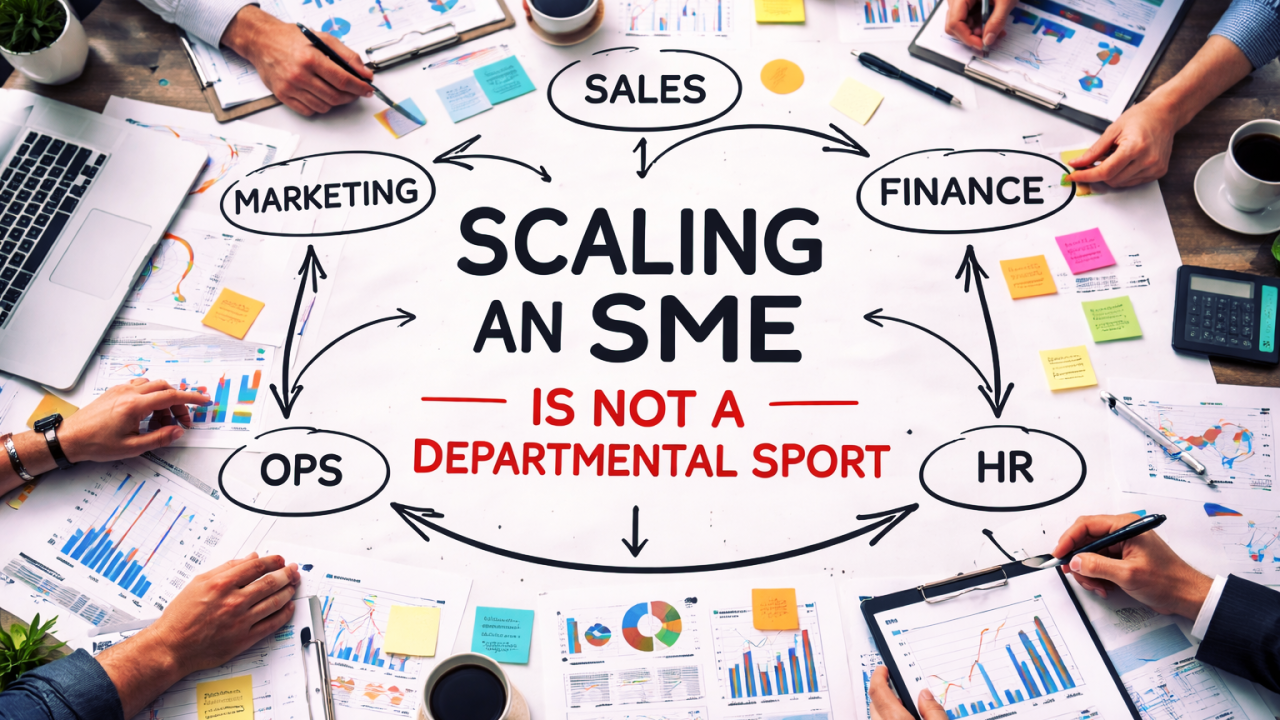
It’s a mistake to treat operations, compliance, and hiring as separate. They are all linked. If one gets ahead of the others, stability suffers.
The Real Growing Pains SMEs Face
Many SME leaders report facing similar challenges once growth accelerates. Operations often depend on a few people who know things but haven’t written them down. Processes stay informal instead of organized.
Compliance seems fine until a problem, like a contract dispute or audit, shows hidden gaps. Hiring becomes rushed, with roles created to fix today’s issues instead of long-term needs. New hires start before expectations or workflows are clear.
These issues are interconnected and often compound one another. Hiring quickly without clear processes leads to inconsistency, more compliance risks, and slower operations. This cycle repeats and gets more expensive over time.
Why Silos Quietly Break Scaling Efforts
Silos form by accident. Operations focus on delivery; legal only steps in when there’s trouble, and hiring is left to HR or busy founders.
At this point, organizational weaknesses begin to emerge.
Hiring without process clarity If roles are filled before workflows are documented, new hires create their own ways of working. This causes mistakes, variation, and reliance on individuals instead of systems—and increases compliance risks too.
Process changes without talent input Leaders may change processes for efficiency without asking those who do the work. This makes adoption harder, and teams often go back to old habits. Changes fail when they don’t fit real work.
Compliance is treated as a checkbox. Policies and contracts may exist, but daily operations aren’t often checked to match. Problems show up during disputes or audits, when fixes are more expensive.
While each silo may function independently, together they create organizational friction.
Integration isn’t bureaucracy. It’s an advantage.
Many SME leaders worry integration will slow things down and mean more meetings and paperwork.
In practice, the opposite is true.
When operations, compliance, and hiring are aligned, decisions are faster because risks are clear. Hiring improves, and teams work better with clear expectations.
Integration isn’t about complexity; it’s about avoiding rework.
A simple framework for integrated scaling
You don’t need a big consulting project to start. You just need intent and consistency.
- Build roles based on your processes, not just urgent needs Before hiring, ask what problem this role should solve six months from now, not just today. Identify the core processes the role will impact. Even a simple process map is helpful. This approach ensures hiring for capability rather than mere availability.
- Document what already works Most SMEs already have good practices; they just aren’t written down. Begin by documenting current practices as they are, rather than as they should be. This documentation serves as the basis for training, accountability, and alignment with compliance.
- Test compliance in real situations Don’t just ask if policies exist; check if people can actually follow them. Make sure job roles fit labor laws, reporting lines match contracts, and incentives are set up right. These checks help avoid hidden risks.
- Get teams involved early when making changes When you change processes or policies, include the people affected. They can offer useful insights, not just approval. They can identify potential obstacles, inefficiencies, and improvements, which saves time in the long run.
- Hire for culture, not just skills You can teach skills, but behavior is hard to change. As the company grows, clearly define work processes, decision rules, and what behavior isn’t allowed. This keeps your culture strong.
Sustainable growth is a choice leaders make.
Growing fast rewards speed. Sustainable growth rewards alignment.
SMEs that scale well aren’t perfect; they focus on working together on what matters most. They hire with clear processes, design operations to meet legal needs, use compliance to help, and see people as part of the system.
Scaling is always tough, and discomfort means you’re making progress. But chaos can be avoided. When operations, compliance, and hiring are aligned, growth is intentional, not fragile. At this point, an SME shifts from just surviving to becoming a sustainable business.